
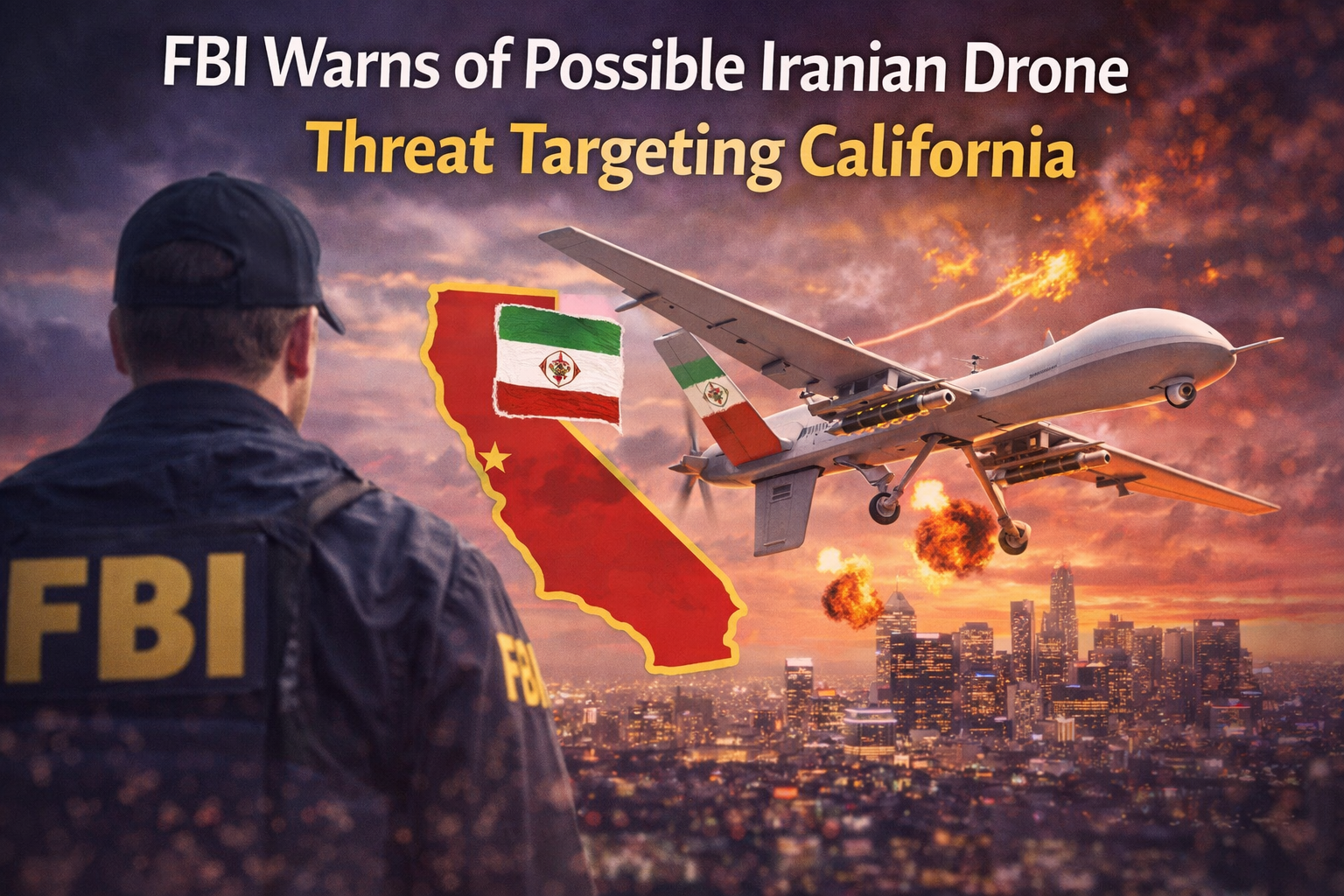

Something new from the FBI is making people look closer at drones near certain areas in California. Because tensions across the globe have grown, authorities shared clues suggesting Iran might turn to pilotless planes targeting locations in America. After intelligence efforts uncovered signs, law enforcement got updates about these possible actions taking shape.
Even though officials said there was no immediate threat, the warning made folks across the state stay more aware. Carefulness crept in, despite a lack of hard evidence something urgent had happened.
FBI Sees More Cyber Risks
A warning has spread through several police units after the FBI flagged a possible fast-moving drone attack targeting California. From a vessel floating beyond the shore, Iran-linked drones could activate without much noise. Not verified yet, still, the method fits patterns noticed in distant regions lately. Just to be ready, teams are going over emergency steps if things shift when nobody is looking. Quiet moves might trigger loud outcomes.
A scribbled message offered few clear clues, steering away from precise spots. Information already collected made officials circulate it anyway – better safe. This moment valued readiness over exact facts.
Few moments after surveillance teams see signs linked to worldwide conflicts, warnings tend to appear. According to authorities, this response fits normal procedure when situations unfold that way.
Escalating Middle East Conflicts
Now tensions grow between the United States and Iran, warnings begin to surface. Lately, clashes in the region – both military moves and political disputes – have stirred concern about what might come next.
A single drone might catch anyone off guard – its small cost makes it a quiet favorite among certain factions. Though tiny, these machines now shape how battles unfold across borders; stealth plays a big role here. When eyes need to watch without being seen, flight becomes the unseen messenger. Attack patterns shift once invisible scouts lead the way.
Now watching every move, U.S. spy units track risks tied to recent shifts. A quiet watch continues, eyes fixed on what might come next.
California Officials Respond
Right away, once word got out, people in charge moved fast to calm nerves across the region. From his office, Gavin Newsom explained how local teams are now sharing updates daily with national experts watching the issue unfold.
Folks in charge say California isn’t facing any real or near-term danger right now. Still, police units are keeping watch, passing updates along to federal safety teams.
Folks on patrol along with safety crews are taking another look at how secure key spots really are – places like transit centers, official offices, maybe even crowded gatherings. What they’re doing now could change how things run during busy times.
Drone Threats Taken Seriously
Flying without pilots, drones lately worry nations worldwide. Though small, they cover vast areas – sometimes fitted with lenses, tools for watching people, even weapons inside.
Flying low and quick, drones often slip past older radar setups meant for bigger aircraft. That explains the push by nations everywhere to upgrade their sensors and ways of spotting these devices.
When it comes to safeguarding a nation today, being ready for drone-related risks matters more than ever. Experts who study security warn that ignoring such dangers could leave gaps in protection. Instead of waiting, some governments are quietly adjusting their plans. Drones aren’t just tools for photography anymore – now they shape how countries think about safety. Because technology keeps changing, old defenses might not hold up. Staying ahead means thinking differently about what a threat looks like now.
Increased Security Monitoring
A few days after the FBI issued its note, police units across California began watching beaches more closely, along with power stations and ports. Because of possible risks, local officials now want residents to speak up if they see drones acting strangely overhead.
Federal agencies work alongside emergency crews, while safety officers stay ready should danger show up. When needed, responses move fast through shared plans across groups watching for risks.
Conclusion
Flying machines said to come from Iran have some U.S. officials watching closer now. Not seeing any real attack yet, still – this kind of heads-up proves faraway fights sometimes land close to home. A quiet reminder that borders on maps don’t stop digital whispers or nighttime flights overhead.
Facing ongoing concerns, those in charge across California and beyond stay alert. Intelligence flows between teams while defenses tighten, because safety depends on preparation. Preventing harm drives their actions now. Public well-being rests within these efforts, quiet but constant.
