
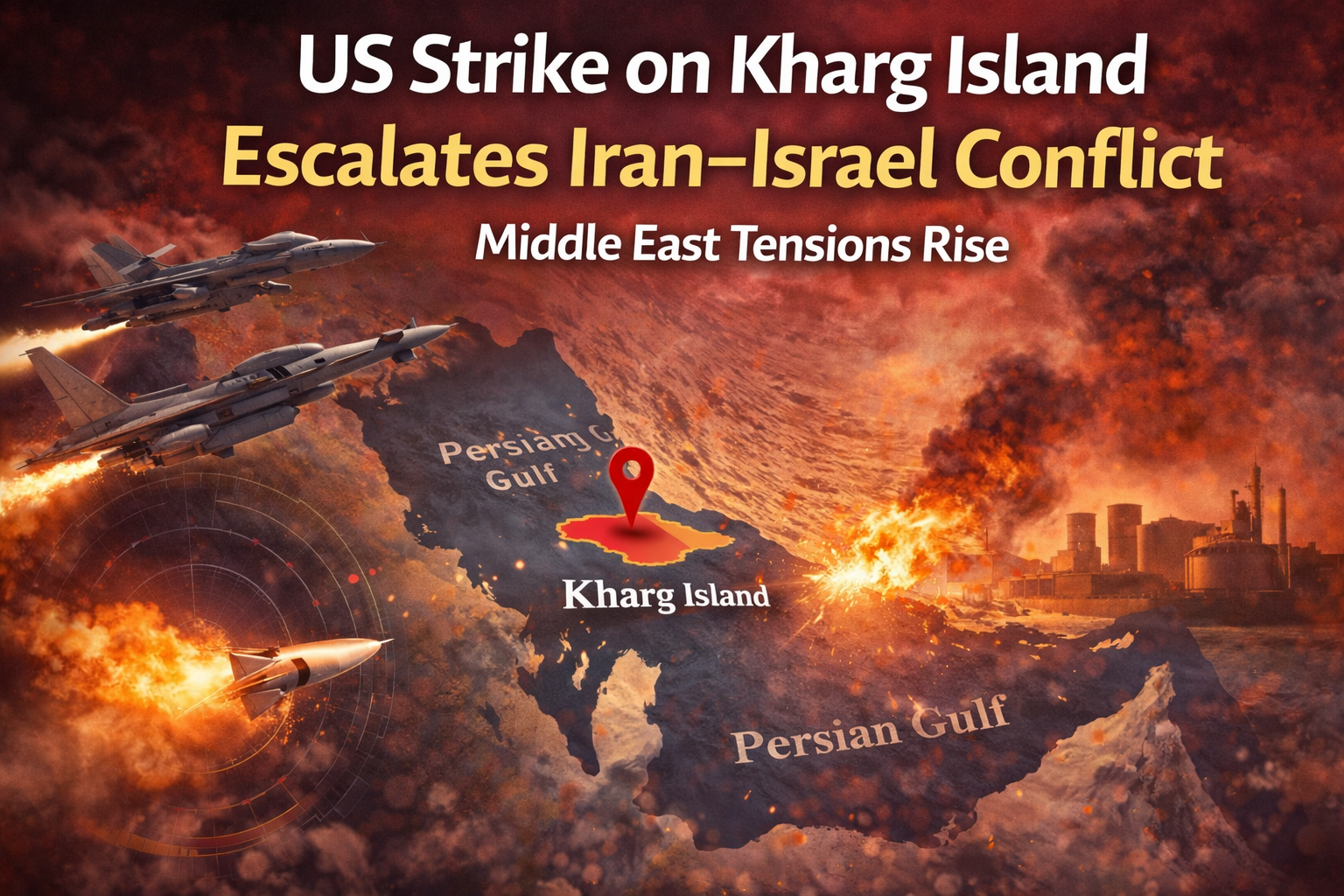

Fighting across the Middle East took a sharp turn when American forces hit Kharg Island – a key Iranian site – with heavy firepower. This move follows growing friction between Washington, Tehran, and Jerusalem, pushing tensions past earlier flashpoints. World leaders now watch closely as fuel routes grow uncertain and fears mount over broader clashes spreading fast. Danger pulses through trade lanes while nations brace for what might come next.
Events of the Attack
Airstrikes hit Iranian positions on Kharg Island, sources say. Several sites tied to defense operations were affected during the actions by American units. These moves came after assessments pointed at reducing Tehran’s reach in nearby waters. One detail stands clear – infrastructure meant for surveillance and protection took damage. Washington confirmed involvement, framing it as a measure to shift balance. Not every observer agrees on what happens next. Some watchful eyes note changes; others wait. Precision tools guided strikes toward fixed points along the coast. No broader conflict followed, at least not yet. Decisions made days before shaped how things unfolded above ground.
Smoke curled into the sky after loud blasts shook the island. Footage spreading online captured thick plumes coming from different spots. Officials in Iran acknowledged the assault had happened. Response units arrived fast, they said, right after the impact. The island trembled under sudden force without warning.
Out of nowhere, a sudden strike hit key parts of Iran’s military setup – seen as one of the biggest moves by the U.S. lately. While rare, such force shows how tensions have quietly built up over time. This wasn’t just minor damage; it carried weight, standing out among recent choices. With little warning, American forces acted where they hadn’t before. Though quiet at first, reactions grew fast once details spread. Not since earlier clashes had something like this happened.
Kharg Island Strategic Importance
Oil leaves Iran mostly through Kharg Island, making it key. Most barrels head overseas after stopping there first. This spot handles nearly all the nation’s crude exports. Ships arrive regularly to carry fuel away from its ports. The island sits in a strategic location along busy sea lanes. Without it, moving oil would be far harder. Much of Iran’s revenue ties directly to this hub. Disruptions here affect global supply chains too.
Off the coast in the Persian Gulf sits an island near the Strait of Hormuz – a key path for energy moving around the planet. Each day, massive volumes of oil travel this tight stretch of sea.
Facing busy sea routes, Kharg Island sits where navy moves might shake oil prices worldwide. Ship traffic passing nearby could stumble into delays when forces gather close by.
Tensions building here often ripple out toward distant ports and fuel trades.
Rising Tensions Between Iran and Israel
A sudden flare-up near Kharg Island unfolds as nerves tighten between Iran and Israel. Lately, one attack follows another – missiles and drones cutting across skies, aimed at bases and key spots.
Nowhere near quiet lately, tensions keep building between Israel and Iran. Accusations fly as Jerusalem claims Tehran backs armed factions across nearby nations. At the same time, Iranian leaders denounce strikes conducted by Israeli forces. Washington stands behind Israel, taking action on sites tied to Iran whenever risks appear. Each move adds pressure, none back down.
Now more jets roar overhead, while drones take flight – each move tied to sharper digital strikes behind the scenes.
Global travel flight disruptions
Air traffic across global paths took a hit too. Where planes once flew, some now steer clear – routes rerouted or services paused amid unease over safety in certain Middle Eastern zones.
Flying near major hubs like Dubai sees extra attention these days. To keep travelers safe, carriers choose routes away from active combat zones instead.
Flying plans might shift again if fighting doesn’t stop, according to those who track air travel trends.
Iran hints at potential retaliation
Out of nowhere, Iran fired back with sharp words about the U.S. move, calling it an outright breach of its independence. Should such actions persist, voices from Tehran suggest consequences could follow.
Missiles might fly if Tehran decides to strike back. Cyber moves could follow, quietly spreading chaos behind screens. Proxy forces tied to Iran may stir trouble across neighboring borders. A spark here, a clash there – soon more nations pull into the fight. Tensions climb when one act triggers another. The whole area risks tipping into wider war.
World Issues and Talks Between Countries
Fear has spread among nations watching unrest rise across the region. With voices rising from capitals and agencies alike, appeals echo for restraint – dialogue instead of conflict. Steps toward peace are now pushed by many, though tempers run high. Calm is fragile, yet some still push words over weapons.
If things keep escalating, global energy markets might feel the impact. Trade paths between nations could shift because of it. Security across the region may change without warning. Experts watch closely when tensions rise like this.
Conclusion
Fires lit on Kharg Island by U.S. forces have shifted the mood across a tense region caught between Iran, Israel, and Washington. With that patch of land handling much of Iran’s oil flow, sparks there now ripple through markets and military plans alike.
Facing tense talks alongside watchful troops, what happens next hinges on choices made in the hours ahead. Whether things settle or spill wider rests entirely on how leaders respond when pressure builds.