
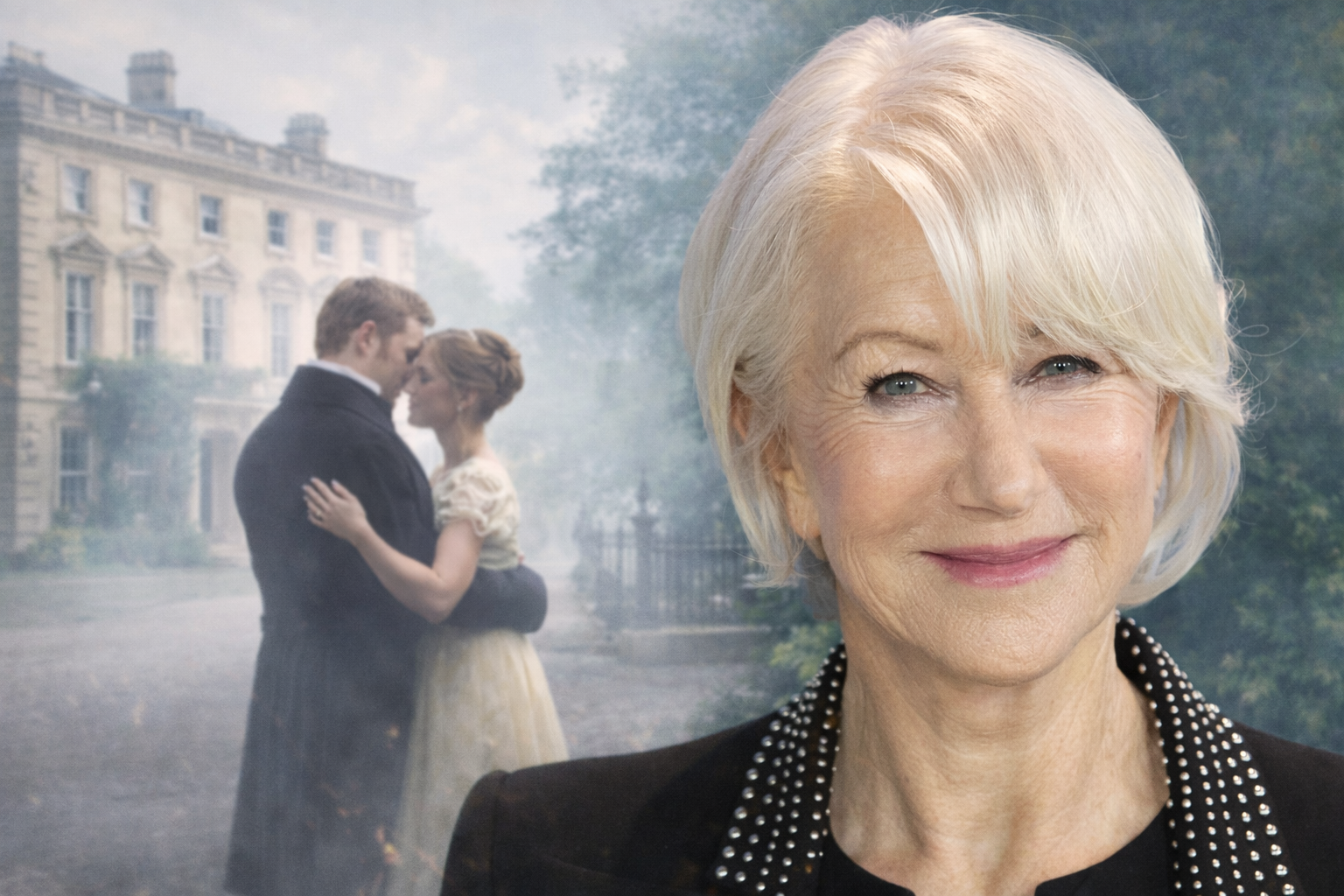

The Netflix series Bridgerton shows viewers both romantic and dramatic scenes which use old-fashioned language that modern audiences find hard to understand. The show introduced its first main character through the term “ward” which Bridgerton Season 4 used to present Sophie Baek to its audience. The show fans wanted to discover what the word actually meant because they believed it formed a key part of Sophie Baek’s character development.
What Is a “Ward” in Bridgerton?
A ward exists as a person who requires legal protection through a guardian because they cannot make decisions for themselves. The guardian must take responsibility for the child’s development through various stages of life which includes both their educational needs and their protection requirements.
The Bridgerton period established this legal practice among wealthy families based on customs from the Regency era. The practice enabled adults to bring up children from their family without showing their relationship as part of the socially accepted practice which existed at that time.
The explanation for Sophie receiving her title of Ward involves multiple factors. The show Bridgerton introduces Sophie through her appearance at Lord Penwood’s estate. When his new wife, Lady Araminta, asks who Sophie is, Penwood describes her as his ward. This label is important because Sophie is actually his illegitimate daughter, born to a maid.
During that time, having a child outside of marriage could ruin a nobleman’s reputation. Lord Penwood used the title of ward to establish his right to raise Sophie while maintaining his cover about her true parentage. The method enabled him to safeguard his social standing while protecting himself from public disgrace.
Sophie’s Life as a Ward
Sophie enjoys an initial period of comfortable existence. She receives education and wears fashionable clothing while experiencing better treatment than the household servants. The family members treat her as an outsider because Lord Penwood has not declared her to be his daughter.
The events which occurred after Lord Penwood died created a total change to the situation. The noblewoman Araminta who understands Sophie’s actual heritage as a secret stripped away all her rights. The court system considers Sophie to have no legal rights because she exists as a court-established ward. Araminta forces her to work as an unpaid maid in her own home which she uses to treat her with extreme mistreatment.
Sophie undergoes a complete life change from her privileged upbringing to her challenging new life which creates her Cinderella-like storyline that drives Season 4 forward.
Significance of the Term “Ward” for Understanding Legal Matters
The term ward is more than just old-fashioned vocabulary.
The explanation provides two reasons which show:
- Why Sophie had protection but no inheritance
- Why her status was always uncertain
- The way social rules controlled human behavior throughout history
The study shows how high society used language as a tool to hide their most sensitive matters from public view. The word which appears in Sophie’s narrative determines the path which will shape her entire life.
Bridgerton’s historical dialogue uses authentic terms from its production era
Bridgerton employs historical vocabulary through specific terms such show word and rake and on the shelf and marriage mart. These words help build the world of the show and reflect how people thought and lived during that time.
Final Thoughts
The show Bridgerton defines a ward as someone who needs protection but it also serves as a powerful symbol which represents hidden identities and social boundaries and social inequality. The term ward which Sophie used to describe herself protected her during her childhood but it later rendered her without power. The term helps viewers understand her story better and shows the rigid environment which she must navigate.
