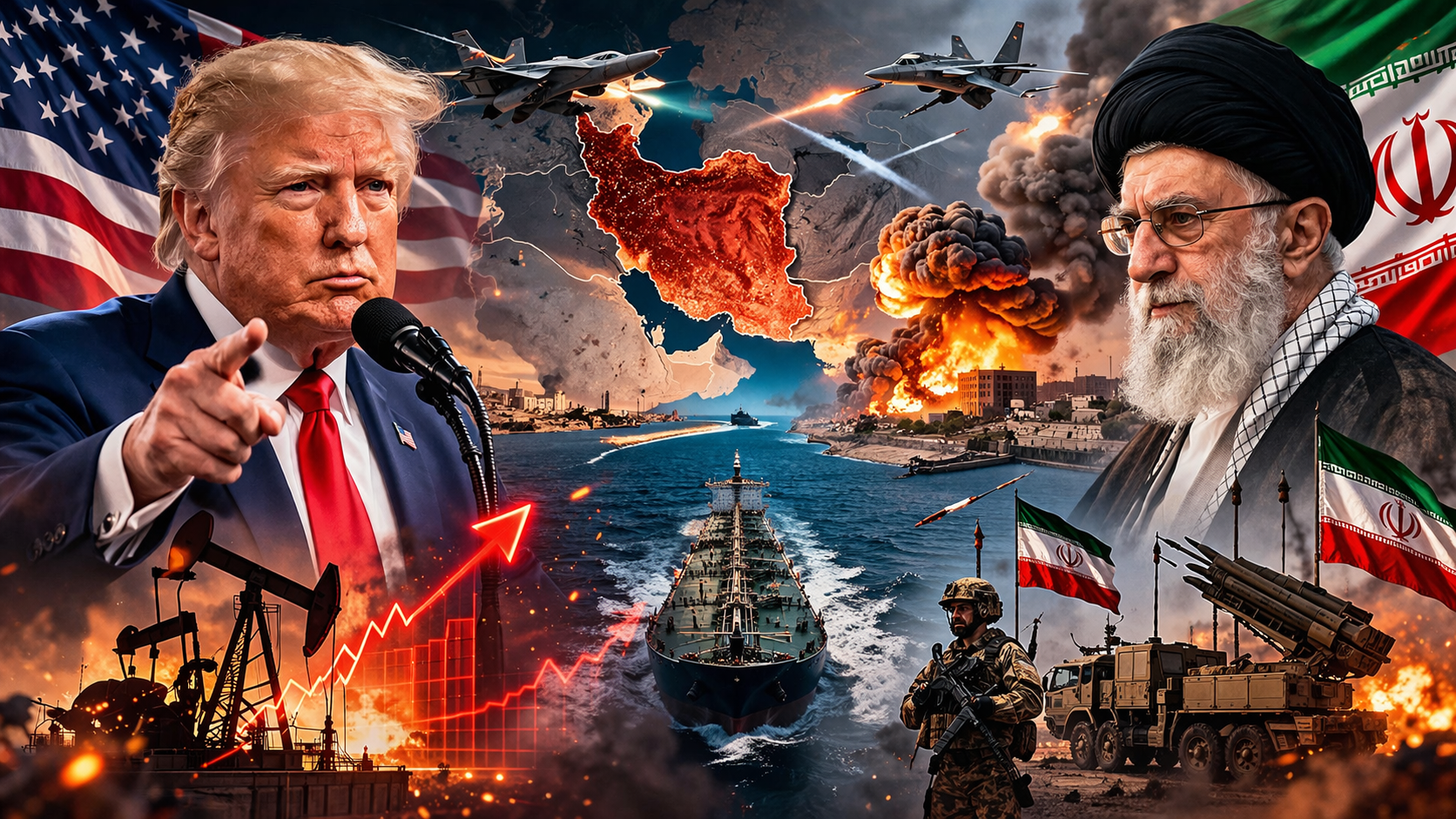

Fears grow across nations as unrest in the Middle East drags on through 2026, tied closely to moves by Iran, America, and partner countries. Though Trump speaks out again, behind-the-scenes splits emerge quietly while a truce idea floats without clear support. Each twist pulls the world deeper into uncertainty.
Iran conflict current developments?
A flare-up involving Iran and rival forces has sparked fresh concerns across the Middle East. Missiles plus unmanned aircraft have stirred activity near key shipping lanes. Some nations along the Persian Gulf now maintain higher readiness levels. Rising unease follows a series of targeted strikes deep inside contested zones.
Fears grow stronger every day. A wider war seems possible now. That kind of fighting might shake things far beyond one area. The balance across nations feels less steady. What happens here could ripple outward. Stability around the world begins to feel fragile.
Worries About Trump’s Comments
Fresh accounts hint at Donald Trump possibly echoing shaky claims on the Iran tension. Certain outlets argue key facts around the events might lack solid grounding.
Folks wonder if top aides are giving him honest updates. Because of that, people now question how choices get made when things feel so tense.
Pete Hegseth Function
Now here’s a twist – details about Pete Hegseth have surfaced in discussions on messaging strategies during recent events. Information flow seems uneven, according to certain accounts. Missteps in clarity might be happening, though it’s unclear where exactly things shift.
Folks keep talking about those reports, yet nothing’s set in stone just yet.
Iran proposes ten point ceasefire plan
A sudden move emerges as Iran circulates a 10-part idea for stopping violence. Though talks have been shaky, this approach tries something new. Instead of more fighting, it offers steps that might open doors to calm. Behind closed walls, officials are looking at each point closely.
Though nothing is officially verified yet, hints suggest efforts aimed at halting strikes, scaling back troop movements, while opening channels for dialogue. One part focuses on preventing violence, another leans toward quieter fronts, then there’s talk of reviving negotiations. Rumors point to a plan that blocks assaults, eases combat zones, followed by cautious meetings between officials. Details remain sparse, still, the outline shows steps against aggression, fewer maneuvers, along with renewed conversations. What floats around involves curbing offenses, dialing down operations, even so beginning discussions.
Even with things strained, steps continue to keep conflict from going too far.
Global Oil And Economic Effects
Fuel flows might shift if tensions rise. Since the Middle East powers much of the world’s energy needs, unrest there often slows shipments.
Fuel expenses could climb for nations that rely on imported oil. Already, shifts in oil pricing have begun to show. One such country, India, might face these rising costs directly.
Global Reactions
Folks everywhere keep an eye on how things unfold. Yet a few push for talks, whereas some brace for worse to come.
Folks across borders keep pushing talks forward – so tensions won’t grow. Different groups step in when voices clash, simply hoping silence doesn’t turn into more trouble. Quiet efforts spread behind scenes, because waiting often makes things worse.
Why This Situation Matters
This crisis is not limited to one region. It can affect global markets, international relations, and everyday life through fuel prices and economic changes.
It also highlights the importance of accurate information and strong leadership during global conflicts.
Conclusion
The Iran conflict in 2026 remains a serious global issue. With concerns over statements by Donald Trump, reports involving Pete Hegseth, and Iran’s ceasefire proposal, the situation is complex and evolving.
The world now hopes for a peaceful resolution that can reduce tension and prevent further escalation. As updates continue, this issue will remain in global focus.
