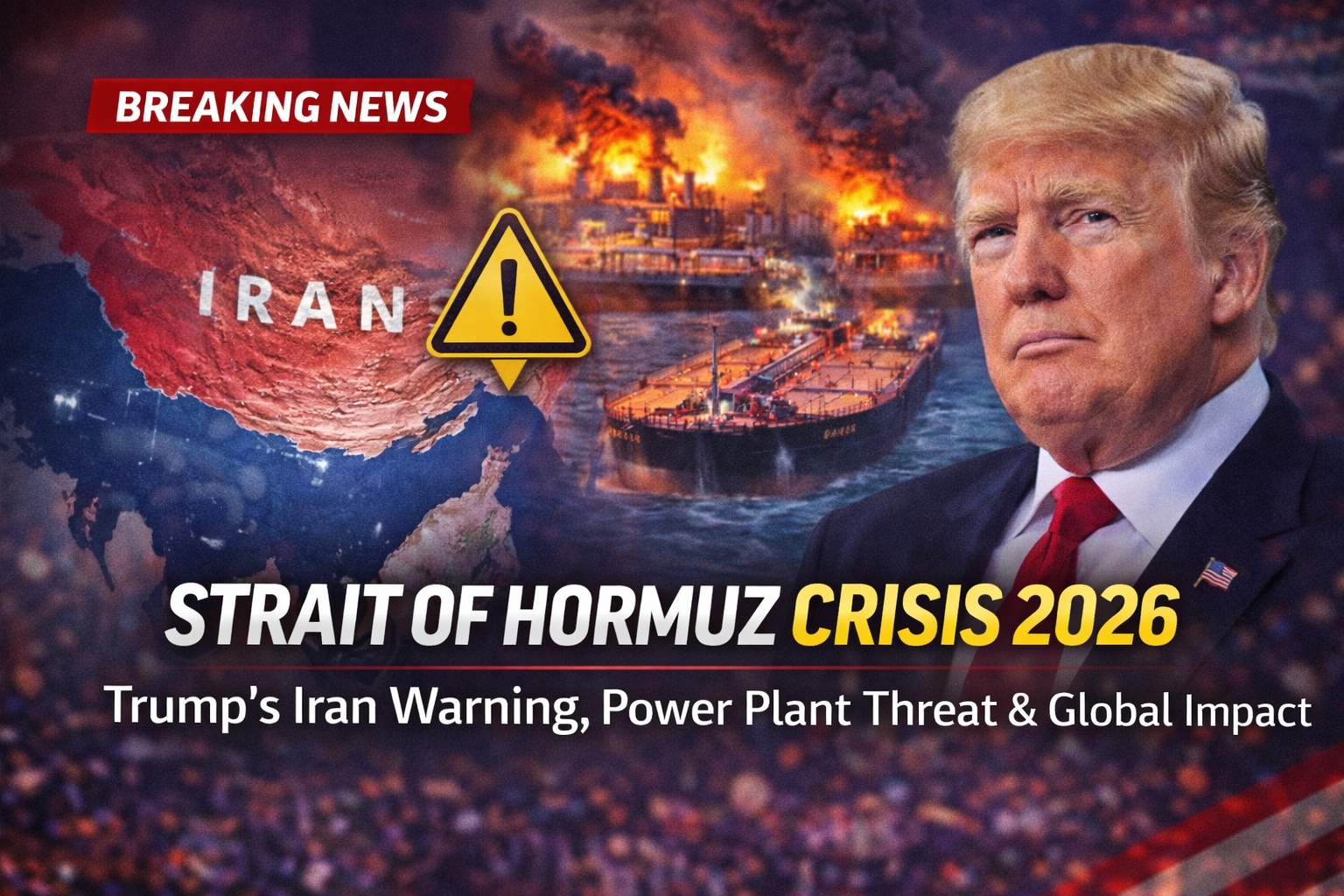

A spike in tensions grips the globe by 2026, sparked by flare-ups close to the Strait of Hormuz. Trump’s comments targeting Iran pour fuel on existing worries – escalation feels closer now. Shipping lanes wobble, commerce falters, diplomacy thins like stretched thread. Events unfolding there send tremors through distant corners, quietly reshaping balance elsewhere.
Strait of Hormuz Where It Is and What It Does?
A narrow strip of water links Oman and Iran, where oil tankers drift through each day. This route quietly handles tons of crude, sliding it along one squeezed passage across the globe.
Out here, when the route snaps shut, chaos races toward distant countries. Fuel costs spike suddenly – ocean-wide hiccups pull the trigger. Movement by sea drags, halts even, emptying store displays just days later.
Origins of the Crisis?
Word reaches us the Strait of Hormuz may see trouble as clashes flare close by. With tension rising, doubts appear about safe passage for oil through these vital sea routes.
Fuming, Trump shot warnings at Iran – stay quiet, he said, or else passage rights won’t survive. He demanded open routes, no exceptions, stressing tension must not rise further under any circumstance.
Trump Warns Iran
Out of nowhere, Donald Trump stirred attention with a blunt message to Iran. Should things keep going this way, Washington might respond sharply. Harsh measures loom if behavior doesn’t shift soon.
What stood out in his words was talking about going after big things like power stations. People around the world are more worried now because hitting those spots might hurt everyday life and regular people.
Power Plants at Risk
Attacking power stations sparks fierce debate. Because these sites keep lights on, taps flowing, one way or another they touch every moment people live through.
Folks who study these things say going after power lines or water systems might spark aid crises while poking at legal gray zones worldwide. That’s the reason a number of governments now keep their eyes fixed on how events unfold.
Rising Global Tension
Over time, US-Iran relations have grown more strained. Fears mount as each nation stands firm, neither backing down easily.
If moves are made targeting Iran, retaliation might follow. Unrest grows across the area because of this tension, raising chances of clashes.
Oil prices affect economy
Oil prices take a hit when trouble hits the region. With ships moving crude through the Strait of Hormuz every day, even small delays send costs climbing higher.
Fuel expenses tend to climb when oil gets pricier, especially noticeable across places like India. When that happens, moving goods becomes heavier on wallets, hitting companies hard. Ripples spread into how steady a nation’s economy feels over time.
Global Reactions
Across the globe, nations keep a sharp eye on how things unfold. A few push hard for decisive moves, yet some urge calm talks instead.
A fresh approach might calm things down, say some who study global tensions. Solving problems through talks could stop violence from spreading further.
Conclusion
Out there in 2026, the Strait of Hormuz stirs unease across continents. Because Donald Trump issued sharp alerts while friction with Iran grows thicker by the day, few can predict what comes next.
Right now, eyes are on how things unfold – peaceful outcome or more clashes ahead. With every twist, ripples spread globally, hitting energy supplies hard and shaking up ties between nations.
